Technical Insight
Understanding Activated Carbon
Activated carbon is a highly engineered porous material designed to extract organic contaminants from liquids and gases. Unlike simple filtration, it operates through a sophisticated molecular attraction process that purifies at a microscopic level.
Adsorption Science
Surface-level molecular bonding.Porous Architecture
High internal surface area.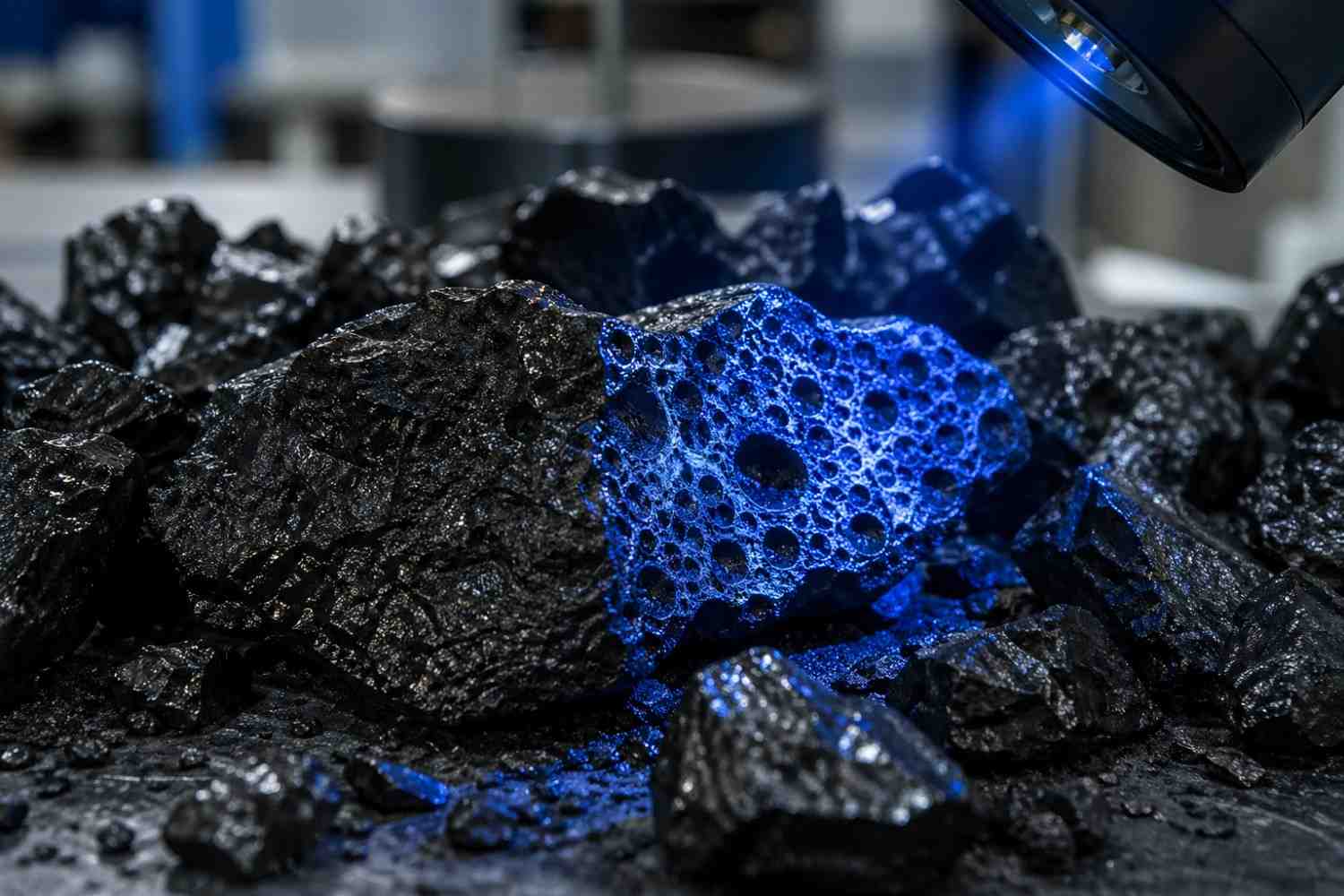
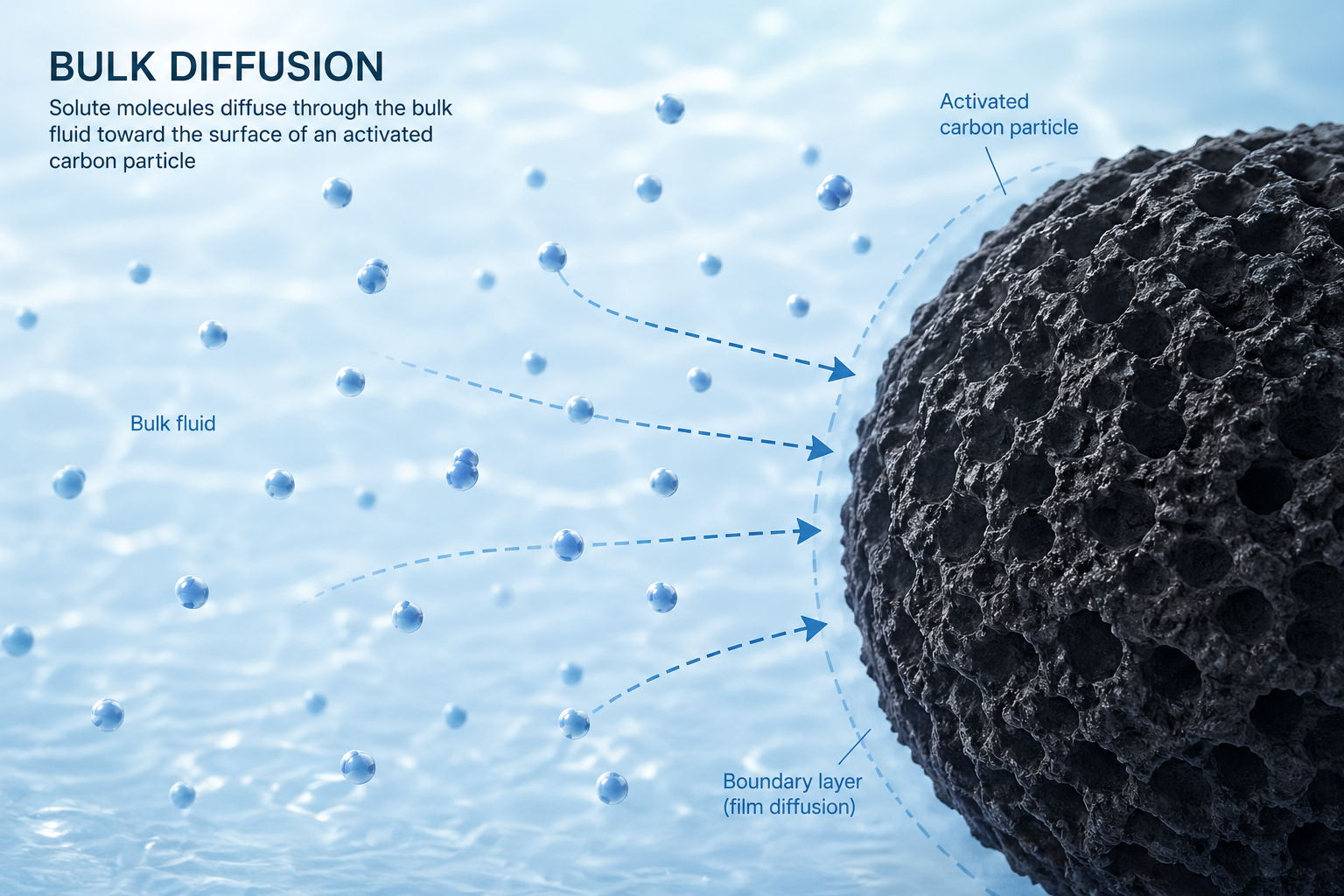
01. Bulk Diffusion
Contaminants move from the main liquid or gas stream toward the external surface of the carbon granule.
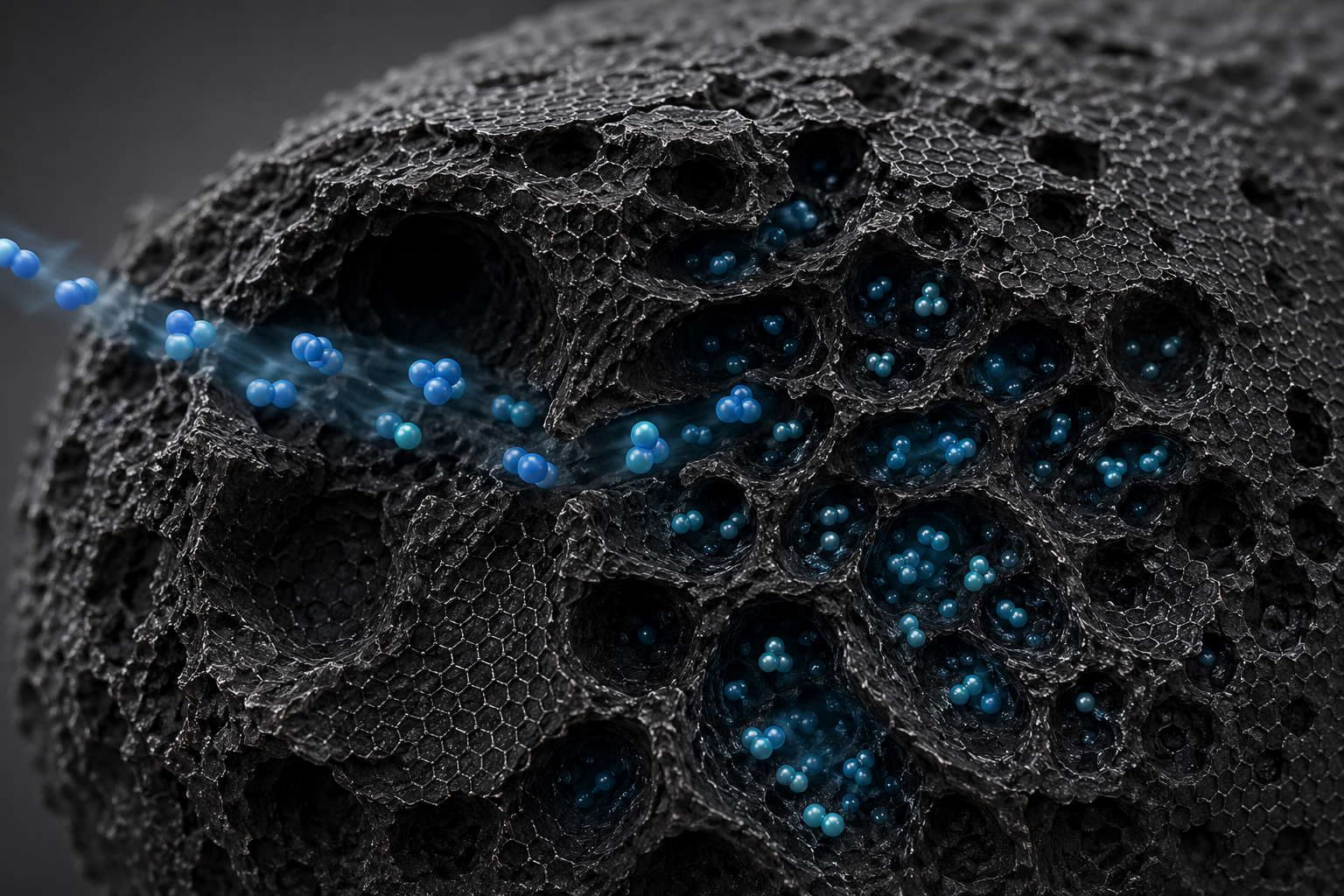
02. Pore Penetration
Molecules travel into the carbon’s internal network, moving from large transport pores into tiny adsorption pores.
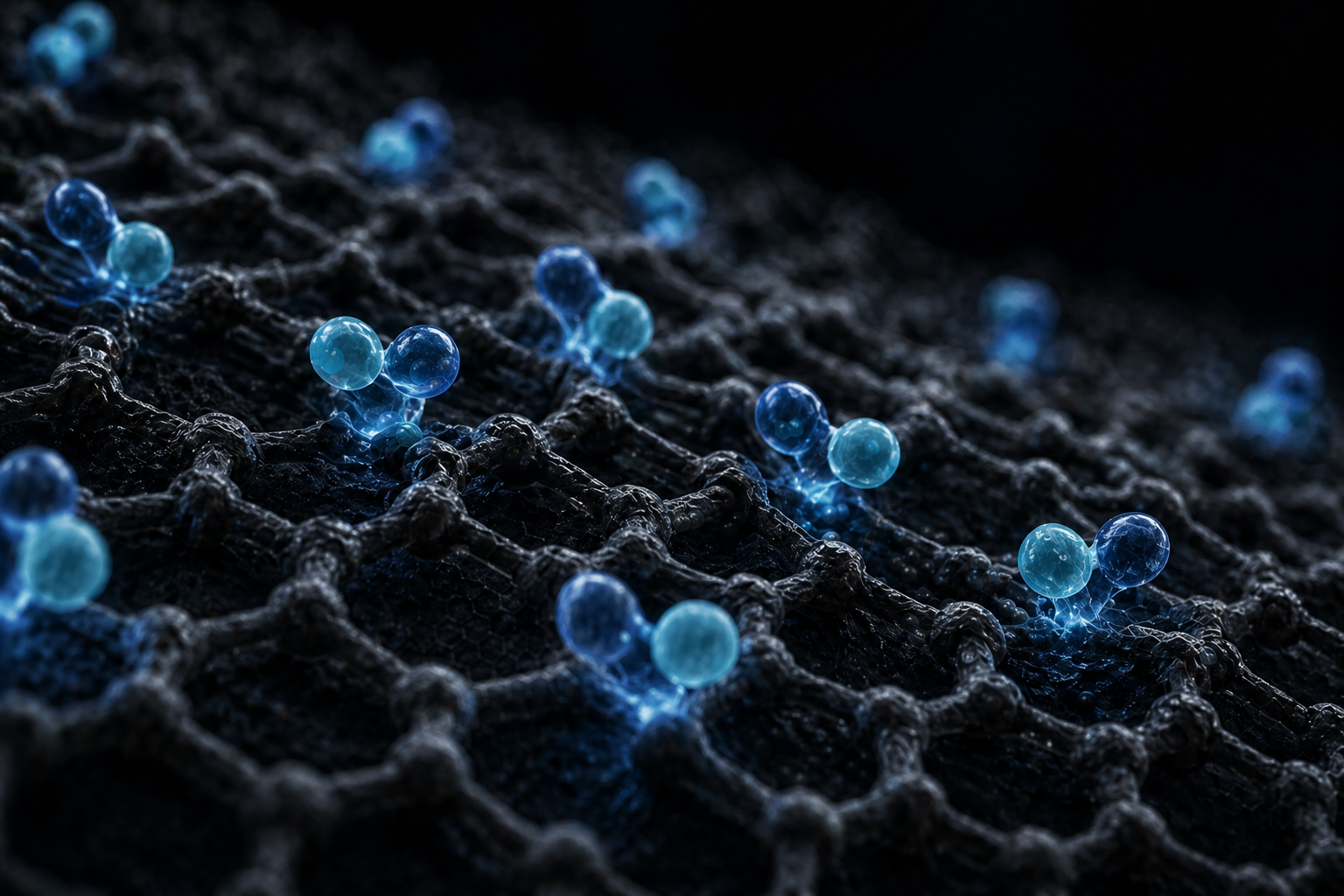
03. Molecular Binding
Van der Waals forces lock the molecules onto the graphitic plates of the carbon, completing the purification.
Sustainability & Recycling
Activated Carbon Reactivation Services
Sustainability is at the core of modern carbon solutions. Reactivation allows spent activated carbon to be restored and reused, significantly reducing environmental impact and operational costs.
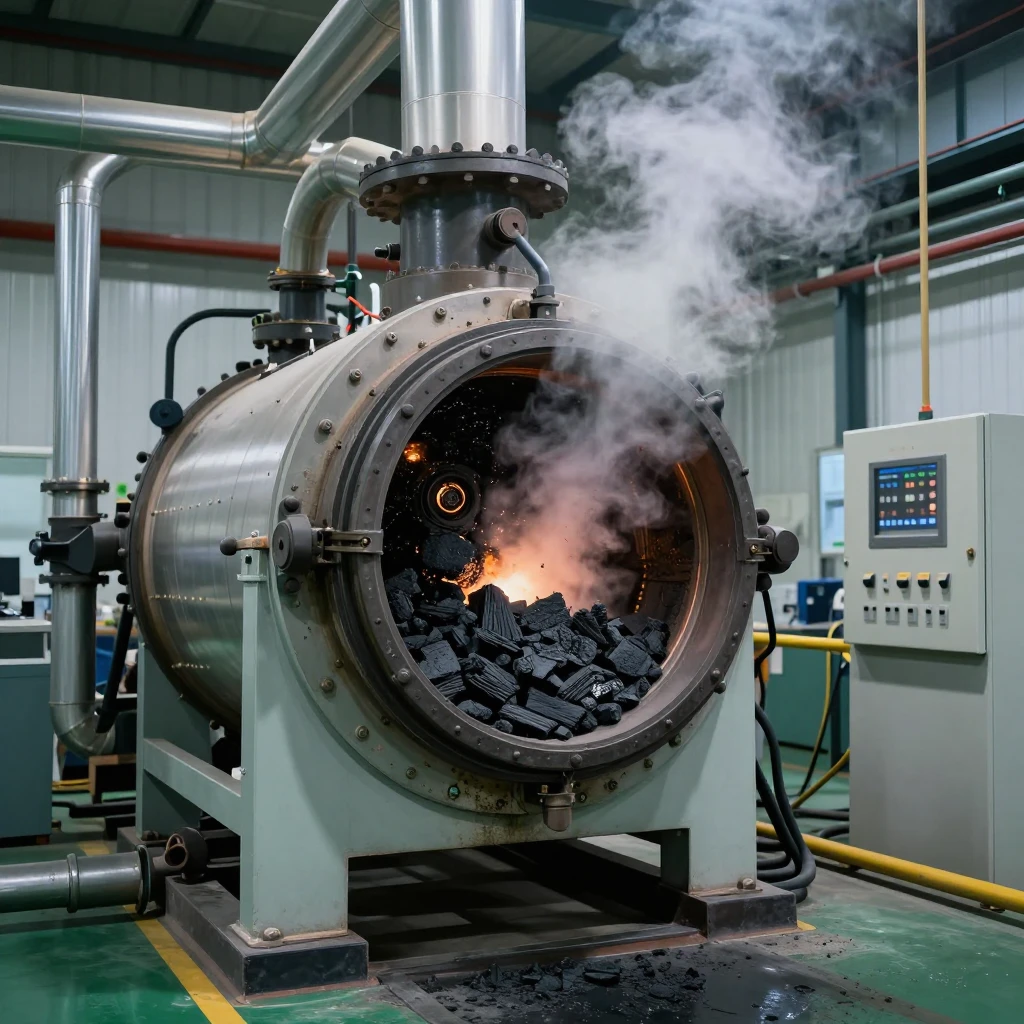
Eco-Friendly Carbon Recycling
We are an environmentally responsible organization, where sustainability plays a critical role in every operation. One of the most impactful practices we follow is the recycling of spent activated carbon through a controlled thermal reactivation process.
Once the adsorption capacity of activated carbon is exhausted, it does not need to be discarded. Instead, it can be thermally reactivated, restoring its performance and allowing it to be reused safely and efficiently.
Reduces waste and landfill dependency
Environmentally sustainable process
Restores adsorption efficiency
Cost-effective reuse solution
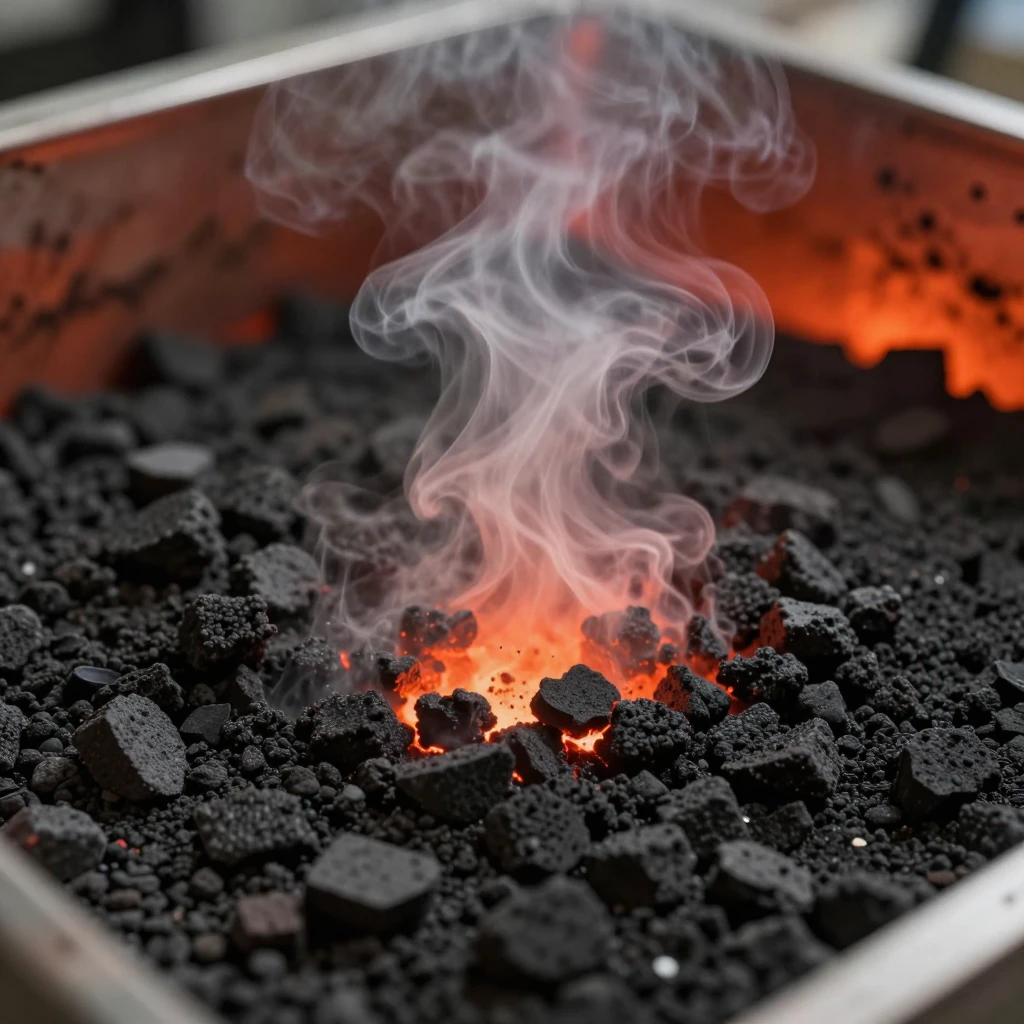
01. Thermal Treatment
Spent activated carbon is heated in specialized furnaces without oxygen, using steam as a selective oxidizing agent.
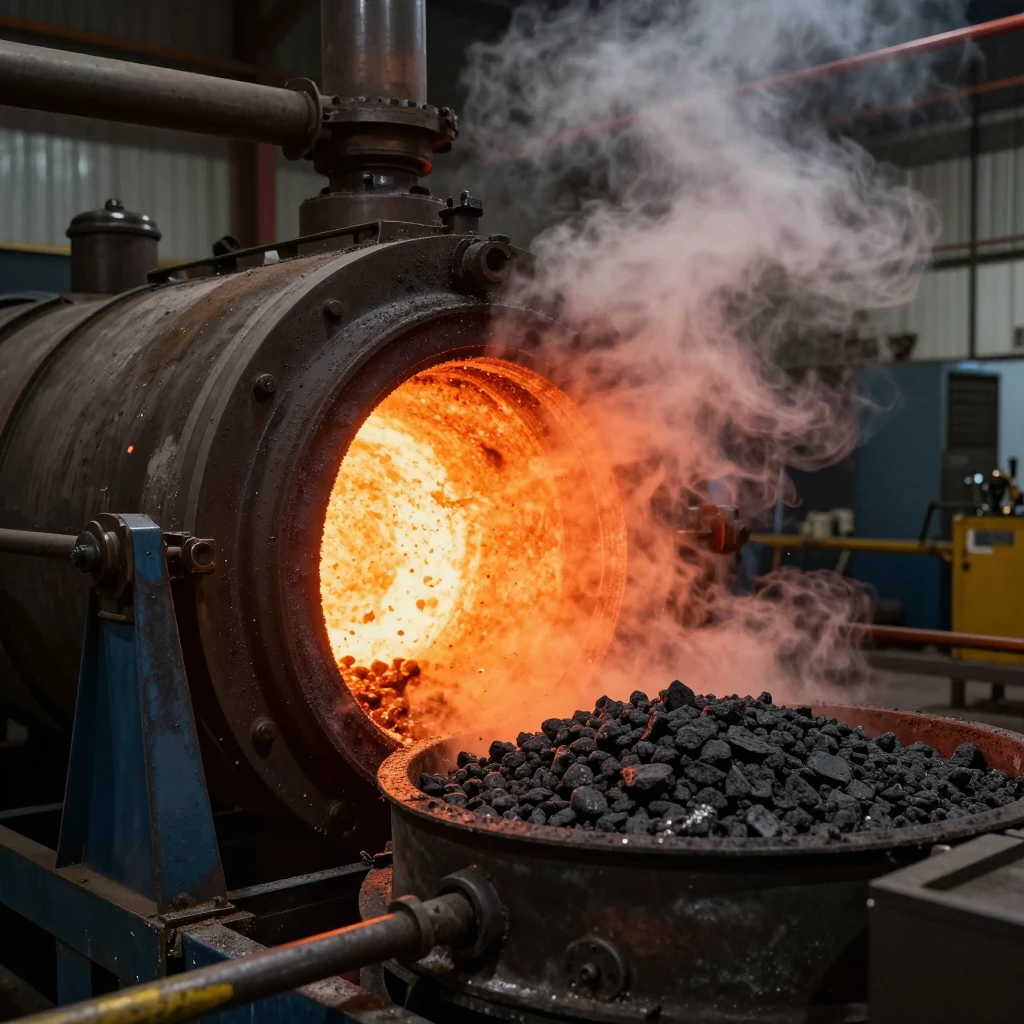
02. Organic Removal
Adsorbed contaminants are either vaporized or decomposed into carbon residues, separating them from the carbon structure.
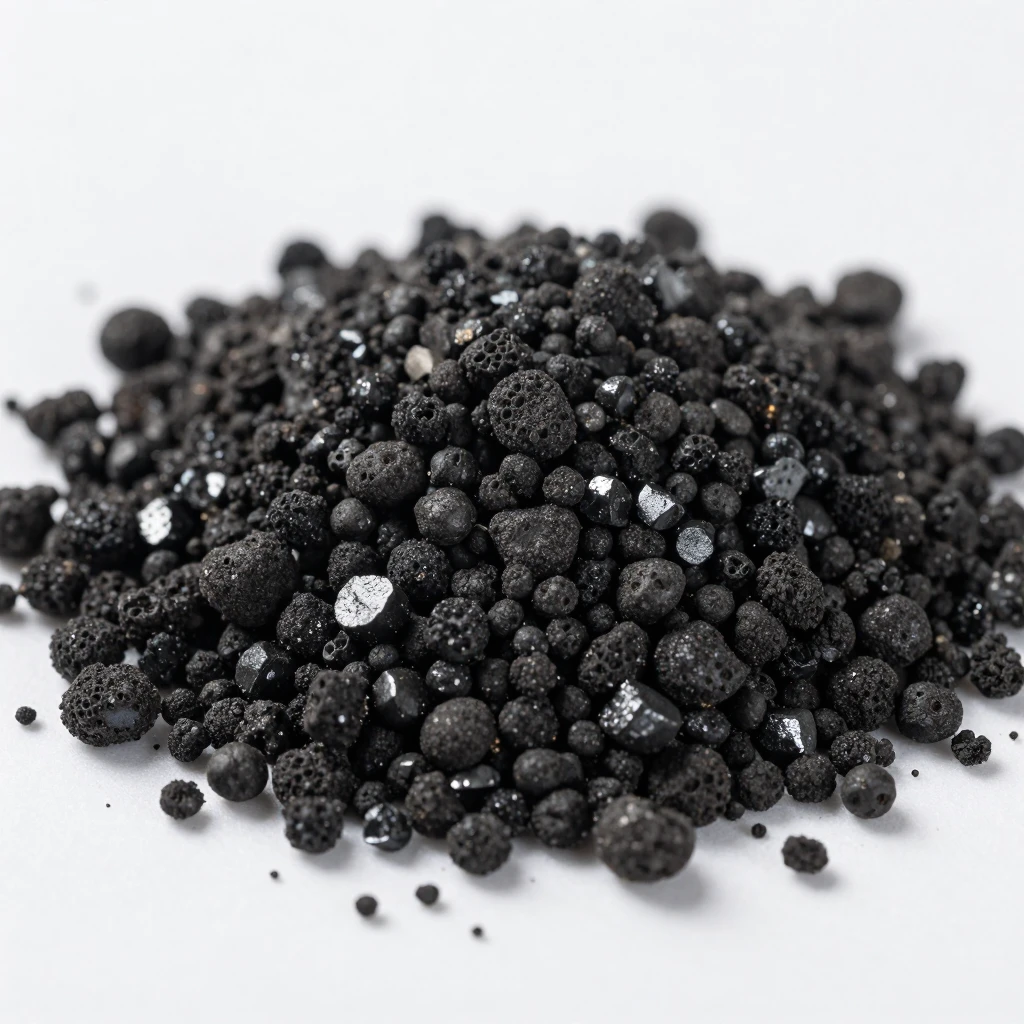
03. Carbon Restoration
High-temperature steam reactions restore the porous structure and adsorption capacity, enabling reuse.
Advanced Gas Treatment & Safety
During reactivation, volatilized organic compounds are completely destroyed in an afterburner system. Acidic gases are neutralized using chemical scrubbers, ensuring emissions meet strict environmental standards.
This closed-loop process ensures that reactivated carbon can be safely returned for industrial use, virtually eliminating disposal costs and long-term environmental liabilities.